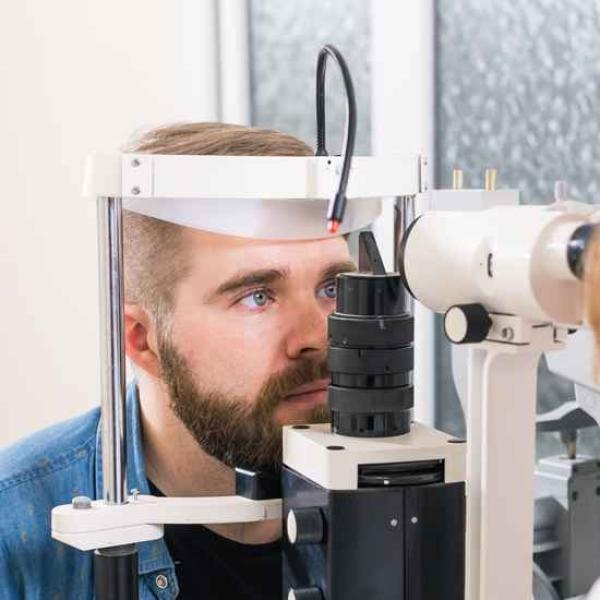


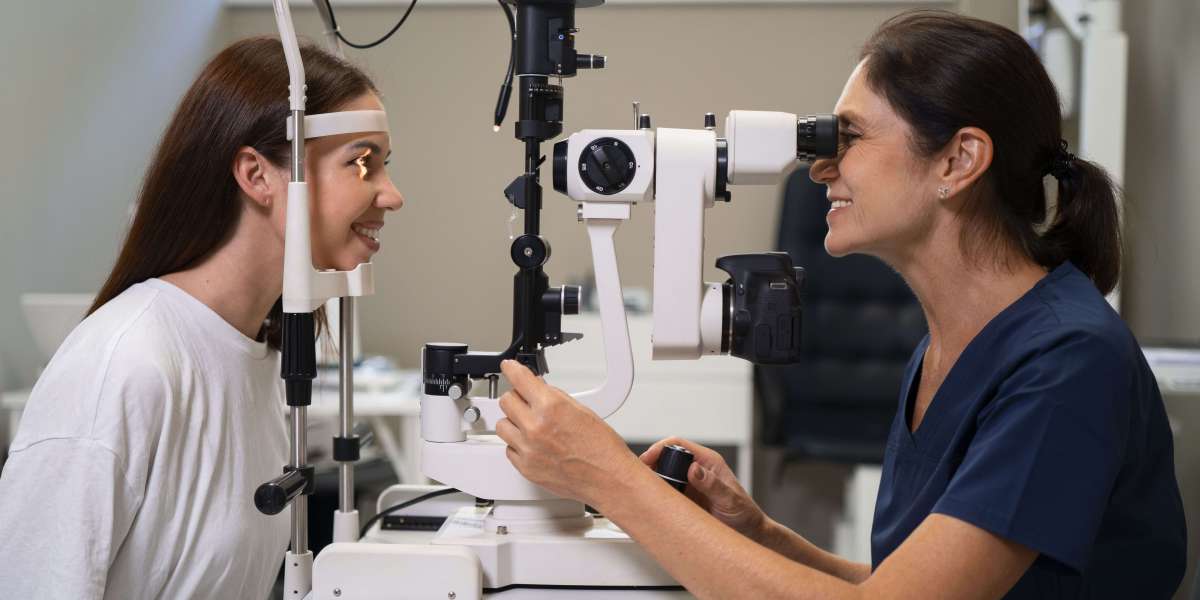


How Automation Is Enhancing Precision in Eye Check-Ups
In today’s fast-evolving medical landscape, precision, speed, and accuracy have become the core expectations of patients seeking eye care. As eye-related conditions continue to rise due to digital screen exposure, lifestyle habits, and aging populations, clinics and optical centers are under increasing pressure to provide quick yet reliable eye examinations. This growing demand has paved the way for automation to take center stage in modern eye check-ups, transforming the way professionals diagnose vision issues.
Over the last decade, eye examination machines—ranging from digital eye test machines to fully automated vision testing systems—have significantly improved the accuracy of eye assessments. These technologies not only minimize human error but also enhance the overall patient experience. This blog explores how automation is shaping modern eye care and why clinics are rapidly embracing advanced digital tools to achieve better diagnostic outcomes.
The Growing Need for Automated Eye Testing Solutions
Traditional eye check-up methods often rely heavily on manual measurements and human judgment. While experienced optometrists can deliver excellent results, manual processes come with inevitable limitations, including variability and time consumption. With more patients visiting clinics for routine vision testing, manual eye exams can lead to long waiting times and increased workload for practitioners.
This is where automated eye examination machines make a substantial difference. Devices such as digital autorefractors, lensmeters, and vision testing machines streamline the entire process, ensuring consistency and accuracy across every assessment. Automation doesn’t replace professional expertise—rather, it enhances it by providing more reliable data and reducing the chances of human error.
How Automation Ensures Higher Accuracy in Eye Check-Ups
1. Elimination of Human Error
Manual measurements can vary depending on the optometrist’s technique or environmental factors. Automated eye test machines, however, use digital sensors and algorithms to capture precise measurements. Whether it’s checking refractive errors or evaluating corneal curvature, machines provide repeated accuracy that boosts diagnostic confidence.
2. Faster and More Efficient Examinations
Automated vision testing machines speed up the entire exam process. A procedure that might take several minutes manually can be completed within seconds using automated devices. This allows clinics to handle more patients while maintaining high-quality service levels.
3. Enhanced Patient Comfort
Modern automated machines are designed with patient comfort in mind. Many require minimal patient cooperation, making them ideal for children, elderly individuals, or patients who struggle to follow manual testing instructions. The result is better-quality readings and smoother examinations.
4. Standardized Testing Across All Patients
Automation brings standardization—a crucial aspect of medical diagnostics. Regardless of who performs the test, automated eye examination machines ensure that every patient undergoes the same process, reducing variability and improving overall reliability.
5. Integration With Digital Records
Most automated eye testing systems can connect directly to digital patient management software. Measurements can be stored instantly, allowing optometrists to track changes over time and make more informed decisions. This also reduces paperwork and speeds up patient workflow.
Automation Is Transforming the Way Professionals Diagnose Vision Issues
Beyond basic refraction tests, advanced automated machines provide deeper insights into a patient’s visual health. These technologies can detect early signs of disorders like glaucoma, cataracts, and astigmatism with higher precision than traditional tools.
For example, auto-keratometers and digital refractometers deliver objective measurements that help optometrists identify conditions earlier. This improved diagnostic capability can lead to faster treatment interventions and better long-term patient outcomes.
Automated eye testing machines are not just tools—they are diagnostic assets that elevate clinical decision-making.
Benefits for Eye Clinics, Hospitals, and Optical Stores
By adopting automated eye exam machines, eye care facilities experience a range of operational advantages:
✔ Increased patient throughput
Clinics can accommodate more patients without compromising exam quality.
✔ Improved reputation and patient trust
Accurate and comfortable exams help build long-term relationships with patients.
Visit website : https://matronix.in/eye-test-machines.html