
Probability theory is the silent architect behind every casino game, shaping not only how games are played but also how they ensure the casino maintains a long-term advantage. While a player may perceive a sense of randomness and luck, every card dealt, every dice roll, and every spin of a roulette wheel is meticulously designed around probability calculations that balance fairness with profitability. Understanding the role of probability in casino game design requires an appreciation of both mathematical principles and human psychology, as casinos rely on carefully calibrated odds to create excitement while protecting their bottom line.
At the heart of most casino games lies the concept of expected value, which quantifies the average outcome a player can anticipate over the long run. In games like roulette, blackjack, and slot machines, expected value is used to determine the house edge, the statistical advantage the casino holds over players. The house edge is not always immediately apparent to casual players because it manifests gradually over repeated plays, making short-term wins possible while ensuring consistent long-term profitability for the casino. Game designers calculate these probabilities by analyzing each possible outcome and assigning odds that reflect both the likelihood of occurrence and the corresponding payout. In this way, probability theory becomes a tool to create games that are simultaneously appealing and financially sustainable.
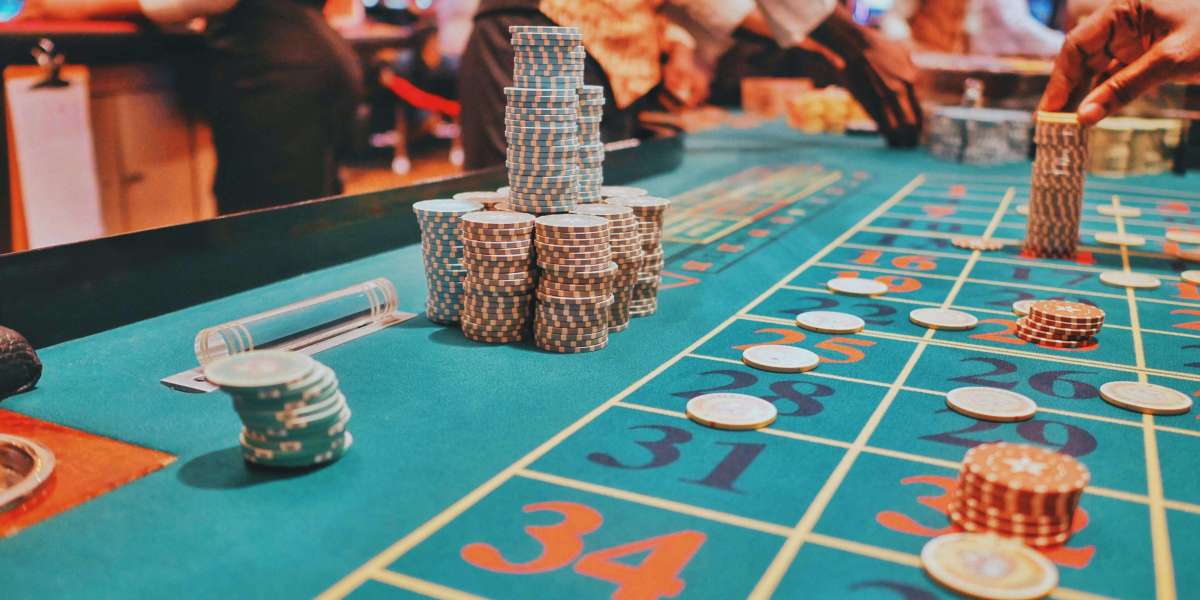
Roulette offers a clear example of probability’s role in design. The layout of the wheel, the distribution of red, black, and green slots, and the betting options are all determined using probability calculations. For instance, an American roulette wheel has 38 slots, including a zero and double zero, which slightly increases the house edge compared to a European wheel with only a single zero. Every type of bet, from a single number to a combination of colors or rows, carries a specific probability of winning, and the payouts are designed to match these odds while ensuring the house edge remains intact. This careful design ensures the game feels fair and exciting, even though the probability structure guarantees the casino’s statistical advantage over time.
Card games, such as blackjack, rely on a combination of probability theory and player decision-making to create dynamic gameplay. Each card in the deck represents a discrete event with calculable probability, allowing skilled players to make decisions based on statistical likelihoods. Game agenolx designers use probability to set rules, such as the number of decks used, dealer behavior, and payout ratios, in a way that balances the challenge for the player while maintaining the house’s edge. By doing so, they create a game that rewards strategic thinking and skill without compromising the casino’s long-term profitability. Probability calculations also influence side bets and bonus payouts, which are often designed with higher house edges to maximize revenue while providing occasional large wins to entice players.
Slot machines, although seemingly driven purely by chance, are entirely governed by probability theory. Modern digital slots use random number generators to determine outcomes, but these generators are programmed according to precise probability distributions. Each symbol and combination is assigned a probability that ensures the game maintains a target return to player (RTP) percentage over time. This careful calibration allows game designers to craft an experience that appears unpredictable and thrilling while guaranteeing the mathematical advantage resides with the casino. Probability theory also guides features such as progressive jackpots, scatter symbols, and bonus rounds, all of which are designed to maximize engagement and perceived value while maintaining profitability.
Beyond the mechanics of games themselves, probability theory informs broader aspects of casino design, including payout structures, betting limits, and reward systems. By analyzing expected outcomes and behavioral responses, casinos can create an environment that encourages extended play without exposing the house to excessive risk. Designers integrate probability with psychological principles, exploiting tendencies such as risk aversion, excitement from near misses, and the thrill of potential large wins, ensuring that games remain engaging while still statistically favoring the casino.
In conclusion, probability theory is the invisible backbone of casino game design. Every rule, payout, and game mechanic is carefully crafted using mathematical calculations to balance fairness, excitement, and profitability. While players experience the thrill of chance and the emotional highs of winning, the underlying structure ensures that the casino retains a long-term statistical advantage. Understanding probability is not only key to appreciating the design of these games but also highlights the delicate interplay between mathematics and human behavior that makes gambling both captivating and sustainable. By merging probability with psychology, casinos create games that feel unpredictable and thrilling, while the mathematics quietly ensures that the house always has the edge.