Kilimanjaro stands tall as Africa’s highest mountain. It rises proudly in Tanzania, East Africa. Every year, thousands of travellers visit to climb this famous peak. Many dream of reaching the summit. Therefore, Kilimanjaro attracts adventurers from around the world.
Unlike many high mountains, Kilimanjaro does not require technical climbing skills. However, the trek still demands strength and preparation. With the right plan, you can enjoy a safe and successful journey.
Where Is Kilimanjaro Located?
Mount Kilimanjaro sits in northern Tanzania near the Kenyan border. It rises above the surrounding plains and dominates the skyline. As a result, you can see it from many miles away on a clear day.
Kilimanjaro stands inside Kilimanjaro National Park. The park protects the mountain and its wildlife. Therefore, climbers also enjoy beautiful forests and unique animals during their trek.
Why Is Kilimanjaro So Famous?
Kilimanjaro holds the title of Africa’s tallest mountain. It reaches 5,895 metres above sea level. Consequently, it ranks as one of the Seven Summits of the world.
Moreover, Kilimanjaro features three volcanic cones: Kibo, Mawenzi, and Shira. Kibo holds the highest point, called Uhuru Peak. Many climbers aim to stand on this summit. As a result, reaching the top feels like a great achievement.
In addition, the mountain offers different climate zones. You walk through rainforest, moorland, alpine desert, and snowy summit areas. Therefore, each day brings a new landscape.
Best Time to Climb Kilimanjaro
Choosing the right time helps you enjoy your climb. The best months are January to March and June to October. During these periods, the weather stays drier. Consequently, trails remain safer and clearer.
However, temperatures change quickly. Lower slopes feel warm and humid. Meanwhile, the summit becomes very cold, especially at night. Therefore, proper clothing plays a key role in your success.
Popular Kilimanjaro Routes
Several routes lead to the summit. Each route offers a different experience.
Marangu Route
The Marangu Route remains one of the most popular options. It offers hut accommodation instead of tents. Therefore, some climbers prefer it for comfort. However, the shorter schedule can reduce acclimatisation time.
Machame Route
The Machame Route provides scenic views and better acclimatisation. As a result, many climbers choose this path. It feels more challenging, yet it increases summit success rates.
Lemosho Route
The Lemosho Route starts on the western side. It offers beautiful scenery and fewer crowds. Moreover, the longer schedule helps your body adjust to altitude.
So, select a route based on your fitness, time, and comfort level.
What to Expect During the Climb
Climbing Kilimanjaro takes between five and nine days. Each day involves several hours of walking. Therefore, stamina matters.
You start in lush rainforest. Birds sing and monkeys move through the trees. Then, you climb higher into open moorland. Gradually, the air becomes thinner. As a result, you may feel tired more quickly.
Guides monitor your health daily. They check oxygen levels and watch for signs of altitude sickness. Therefore, safety remains a top priority.
Summit night feels the hardest. You wake around midnight and climb slowly in the dark. However, reaching Uhuru Peak at sunrise brings joy and pride.
How to Prepare for Kilimanjaro
Preparation improves your chances of success. First, build your fitness with regular walking, hiking, or cardio training. Strong legs and lungs help you cope with long days.
Next, pack wisely. Bring layered clothing for changing temperatures. Include gloves, a warm hat, and a good sleeping bag. Moreover, wear strong hiking boots that fit well.
Hydration plays an important role. Drink plenty of water during the climb. In addition, eat balanced meals to keep your energy steady.
Mental strength also matters. Stay positive and patient. Climb slowly and follow your guide’s advice. As a result, you improve your chance of reaching the summit.
Wildlife and Nature Around Kilimanjaro
Kilimanjaro offers more than just climbing. The lower slopes support rich wildlife. You may see colobus monkeys and colourful birds.
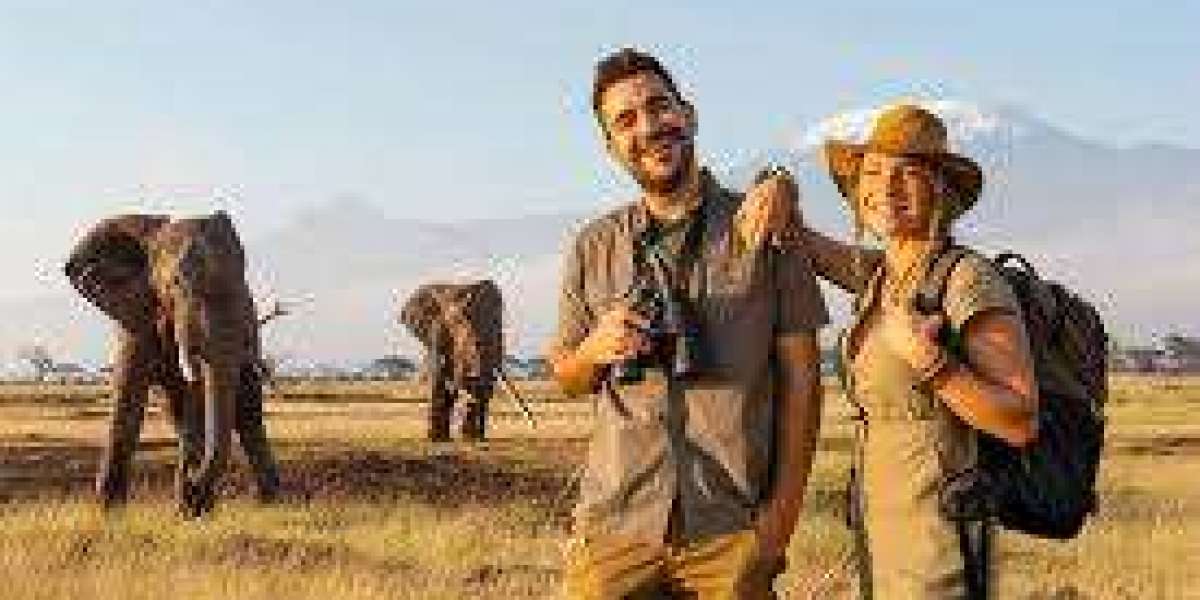
Furthermore, nearby parks such as Serengeti National Park and Ngorongoro Conservation Area allow visitors to combine trekking with safari adventures. Therefore, many travellers plan both experiences in one trip.
This combination creates a full Tanzanian adventure.
Responsible Travel on Kilimanjaro
Responsible tourism protects the mountain’s beauty. Choose licensed guides and follow park rules. Avoid littering and respect nature.
Moreover, support local communities by hiring local porters and buying local products. Your visit contributes to jobs and conservation. Therefore, responsible travel benefits everyone.
Final Thoughts on Kilimanjaro
Kilimanjaro offers adventure, beauty, and personal achievement. It challenges your body and mind. However, it rewards you with unforgettable views and memories.
With proper planning, strong preparation, and a positive mindset, you can reach Africa’s highest peak. Therefore, Kilimanjaro remains one of the world’s most inspiring travel experiences.
Climb slowly, respect the mountain, and enjoy every step of your journey.