
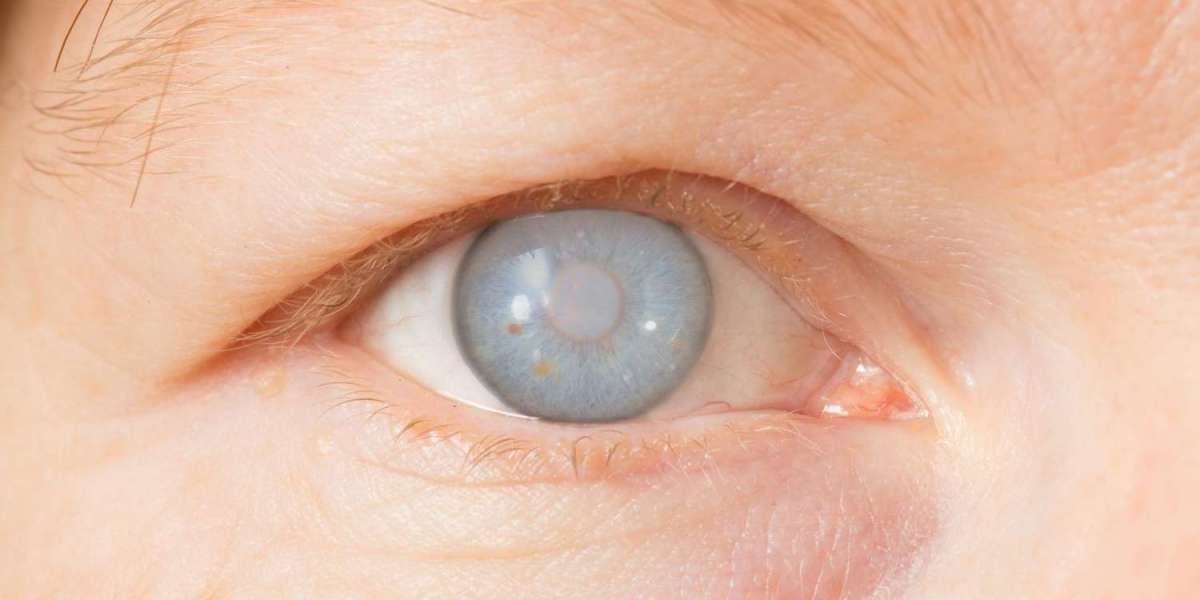
Cataract is one of the most common eye conditions affecting people as they age, yet many ignore its early warning signs. A cataract develops when the natural lens of the eye becomes cloudy, leading to blurred or reduced vision. Understanding cataract eye symptoms and knowing when to seek medical help can prevent unnecessary vision loss and improve quality of life. At Arora Eye Centre, patients receive expert diagnosis and advanced treatment from experienced specialists, making it easier to find the best eye doctor near me for cataract care.
What Is a Cataract?
A cataract occurs when proteins in the eye’s natural lens start breaking down and clump together, forming cloudy areas. This cloudiness blocks or scatters light entering the eye, making vision unclear. Cataracts can develop in one or both eyes and usually progress slowly, which is why many people fail to notice symptoms early.
Although cataracts are commonly associated with aging, they can also be caused by diabetes, prolonged steroid use, eye injuries, excessive sunlight exposure, or congenital factors.
Common Cataract Eye Symptoms
Recognizing cataract eye symptoms early is crucial for timely treatment. Some of the most common signs include:
Blurred or cloudy vision
Difficulty seeing at night
Sensitivity to bright lights or glare
Seeing halos around lights
Frequent changes in glasses or contact lens prescription
Faded or yellowish colors
Double vision in one eye
These symptoms often start mildly and gradually worsen over time. If you notice any of these changes, consulting the best eye doctor near me can help in early diagnosis and management.
Early vs. Advanced Cataract Symptoms
In the early stages, cataract symptoms may only slightly affect daily activities. You might notice mild blurring or increased sensitivity to light. However, as the cataract matures, vision impairment becomes more noticeable and begins to interfere with reading, driving, or recognizing faces.
Advanced cataracts can significantly reduce vision clarity, making routine tasks challenging. At this stage, surgical intervention is often the most effective solution.
Causes and Risk Factors of Cataracts
Several factors increase the risk of developing cataracts, including:
Aging
Diabetes
Smoking and alcohol consumption
Prolonged exposure to UV rays
Family history of cataracts
Long-term use of corticosteroid medications
Regular eye check-ups at Arora Eye Centre help identify risk factors early and monitor eye health before severe vision loss occurs.
When to See an Eye Doctor
Many people delay visiting an eye specialist, assuming vision problems are a normal part of aging. However, ignoring cataract eye symptoms can lead to avoidable complications.
You should consult an eye doctor if:
Vision becomes consistently blurred
Night driving becomes difficult
Glasses no longer improve vision
Daily activities are affected
Finding the best eye doctor near me ensures accurate diagnosis and timely treatment, preventing further deterioration.
How Cataracts Are Diagnosed
At Arora Eye Centre, cataract diagnosis involves a comprehensive eye examination, including:
Visual acuity test
Slit-lamp examination
Retinal examination
Eye pressure measurement
These tests help determine the presence, type, and severity of cataracts, allowing doctors to recommend the most suitable treatment plan.
Cataract Treatment Options
Treatment depends on the stage of the cataract and its impact on vision.
Non-Surgical Management
In the early stages, vision changes may be managed with updated glasses, anti-glare lenses, or improved lighting. However, these measures only provide temporary relief and do not stop cataract progression.
Cataract Surgery
When cataracts significantly affect daily life, surgery becomes the most effective treatment. Cataract surgery involves removing the cloudy natural lens and replacing it with a clear artificial intraocular lens (IOL). This procedure is safe, quick, and highly successful.
At Arora Eye Centre, advanced, stitchless cataract surgery techniques are used to ensure faster recovery and excellent visual outcomes.
Types of Intraocular Lenses (IOLs)
Modern cataract surgery offers a range of IOL options, including:
Monofocal lenses for clear distance vision
Multifocal lenses for reduced dependence on glasses
Toric lenses for patients with astigmatism
Your eye doctor will help choose the most suitable lens based on your lifestyle and visual needs.
Recovery After Cataract Surgery
Recovery from cataract surgery is usually quick and comfortable. Most patients notice improved vision within a few days. Doctors may prescribe eye drops to prevent infection and inflammation.
Following post-surgery instructions and attending follow-up visits with the best eye doctor near me ensures optimal healing and long-term results.
Why Choose Arora Eye Centre?
Arora Eye Centre is known for its patient-focused approach and advanced eye care services. The center offers:
Experienced eye specialists
Modern diagnostic and surgical technology
Personalized treatment plans
High success rates in cataract surgery
Patients trust Arora Eye Centre for safe, effective, and affordable eye care solutions.
Preventing Cataracts: Is It Possible?
While cataracts cannot always be prevented, certain lifestyle changes may slow their progression:
Wearing UV-protective sunglasses
Maintaining good blood sugar control
Eating a balanced diet rich in antioxidants
Avoiding smoking
Regular eye examinations remain the most effective way to detect cataracts early.
Take the First Step Toward Clear Vision
Cataracts are treatable, and early attention makes a significant difference in outcomes. If you or a loved one are experiencing cataract eye symptoms, don’t delay seeking expert care. Arora Eye Centre is committed to helping you regain clear vision with advanced treatment and compassionate care.
Consult today with the best eye doctor near me at Arora Eye Centre and take a confident step toward a brighter, clearer future.


