
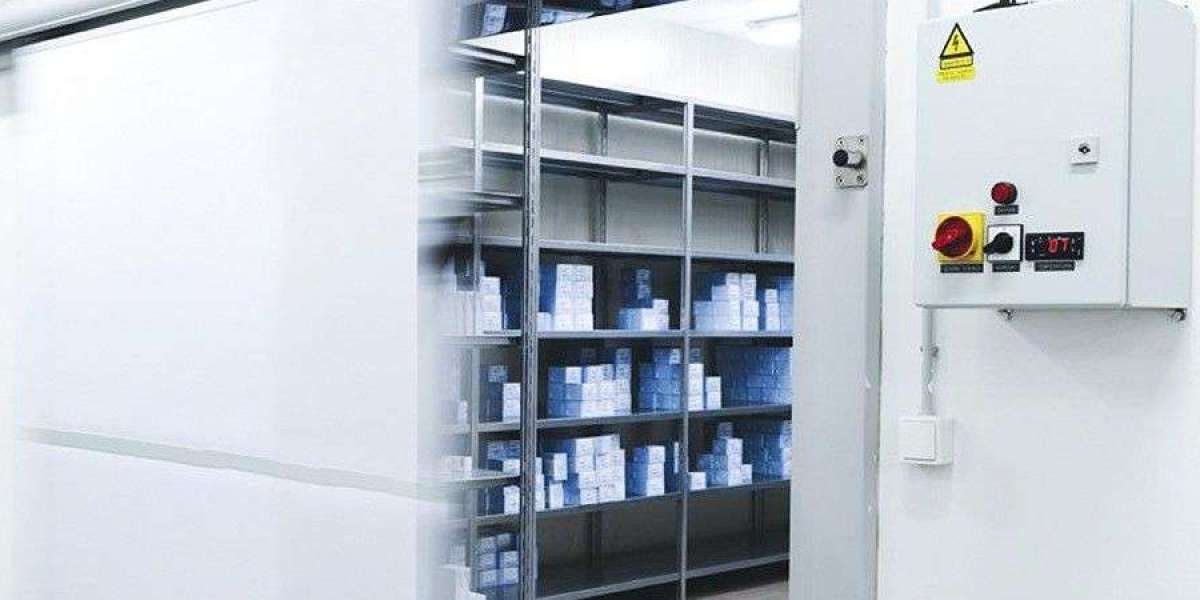
In industries such as pharmaceuticals, biotechnology, cosmetics, and food manufacturing, product stability is a critical factor that determines quality, shelf-life, and regulatory compliance. To maintain controlled conditions for long-term and accelerated stability testing, stability chambers are used. However, for these chambers to deliver reliable results, rigorous Stability Chamber Validation is essential. This validation process confirms that the chamber performs consistently within specified environmental parameters, ensuring accurate and trustworthy test outcomes.
Stability chamber validation involves a series of documented tests and procedures to verify that temperature, humidity, and environmental uniformity remain within acceptable limits. Regulatory bodies like the FDA, MHRA, WHO, and ICH mandate validation to maintain consumer safety and ensure high-quality manufacturing standards. Without proper validation, results from stability tests may become unreliable, putting product safety and market approval at risk.
The validation process typically includes Installation Qualification (IQ), Operational Qualification (OQ), and Performance Qualification (PQ). During IQ, the chamber is checked to confirm correct installation as per manufacturer specifications. OQ verifies the operational performance of the chamber under empty conditions, examining factors such as temperature recovery and alarm systems. PQ ensures the chamber performs reliably under loaded conditions that mimic real testing scenarios. This three-step approach forms the backbone of effective stability chamber validation, providing full assurance of performance.
One of the most critical aspects of stability chamber validation is mapping. Temperature and humidity mapping involve placing sensors strategically throughout the chamber to detect variations and identify hot or cold spots. This helps ensure uniform distribution of environmental conditions. Data loggers and monitoring systems track fluctuations over time, and results are analysed to confirm stability and compliance. If deviations occur, corrective actions such as re-calibration or airflow adjustments are implemented.
Routine re-validation is just as important as initial validation. Over time, stability chambers may experience component wear, calibration drift, or environmental changes. Scheduled validation ensures the chamber continues to meet required standards, reducing the risk of failed batches or rejected lab results. Maintaining proper documentation also helps during audits and regulatory inspections, demonstrating adherence to Good Manufacturing Practice (GMP).
In conclusion, Stability Chamber Validation is not just a compliance requirement it is a crucial practice that ensures product quality, reliability, and consumer safety. Through systematic validation, mapping, and routine monitoring, organisations can maintain environmental consistency, improve efficiency, and secure successful outcomes in stability testing across all regulated industries.


