
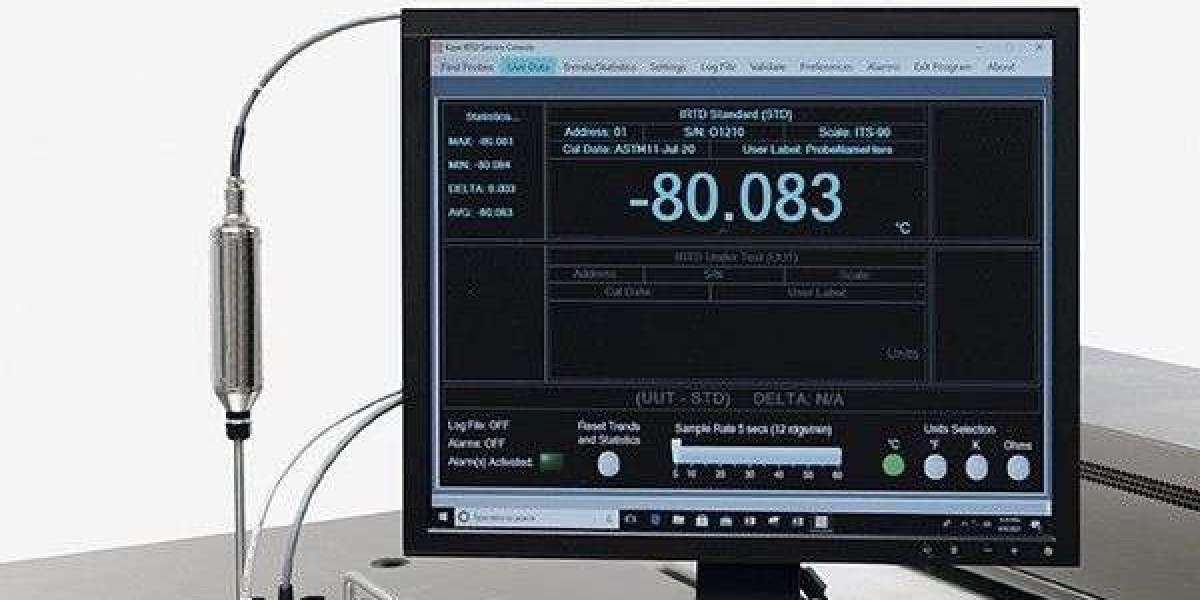
In industries where precision is non-negotiable, maintaining reliable temperature measurements is essential. This is where a Temperature Reference Standard plays a critical role. Used as a benchmark for temperature readings, a temperature reference standard ensures that equipment, sensors, and measurement devices reflect true and consistent temperature values. From pharmaceuticals and food processing to laboratories, aerospace, and manufacturing, having a dependable standard supports product quality, safety, and regulatory compliance.
A temperature reference standard is typically a highly accurate thermometer or calibrated device that acts as the baseline for comparison. When instruments drift over time due to environmental changes, usage, or aging, calibration becomes necessary to restore accuracy. During calibration, the device being tested is compared against the temperature reference standard, which holds a traceable certification to national or international metrology bodies. This traceability provides confidence that measurements are correct and aligned with recognised global standards.
One of the biggest advantages of using a temperature reference standard is ensuring quality control. Many industries depend on precise temperature conditions whether monitoring storage environments for vaccines, maintaining cleanroom conditions, or controlling heat during manufacturing. Any deviation, even minor, can result in product failure, contamination, or safety risks. By utilising a reference standard, organisations minimise uncertainty and maintain consistent measurement performance.
Temperature reference standards also play a key role in compliance. Regulatory bodies such as ISO, FDA, and GMP require routine calibration of temperature instruments. A certified standard helps companies pass audits, avoid non-compliance penalties, and demonstrate reliable documentation. In sectors like pharmaceuticals, where temperature affects chemical stability, accurate monitoring supported by a standard ensures product integrity from production to distribution.
Selecting the right temperature reference standard depends on application requirements. High-precision digital thermometers, platinum resistance thermometers (PRTs), and reference-grade probes are common options. Factors such as temperature range, stability, resolution, and calibration interval should be evaluated. Many companies adopt scheduled calibration programs, using the reference standard periodically to verify measurement accuracy across devices like data loggers, sensors, and monitoring systems.
In conclusion, a Temperature Reference Standard is more than just a calibration tool it is the foundation of accurate temperature measurement, regulatory compliance, and operational reliability. Businesses that invest in proper standards and routine calibration not only enhance performance but also build trust, reduce risk, and ensure consistent quality across processes.


