
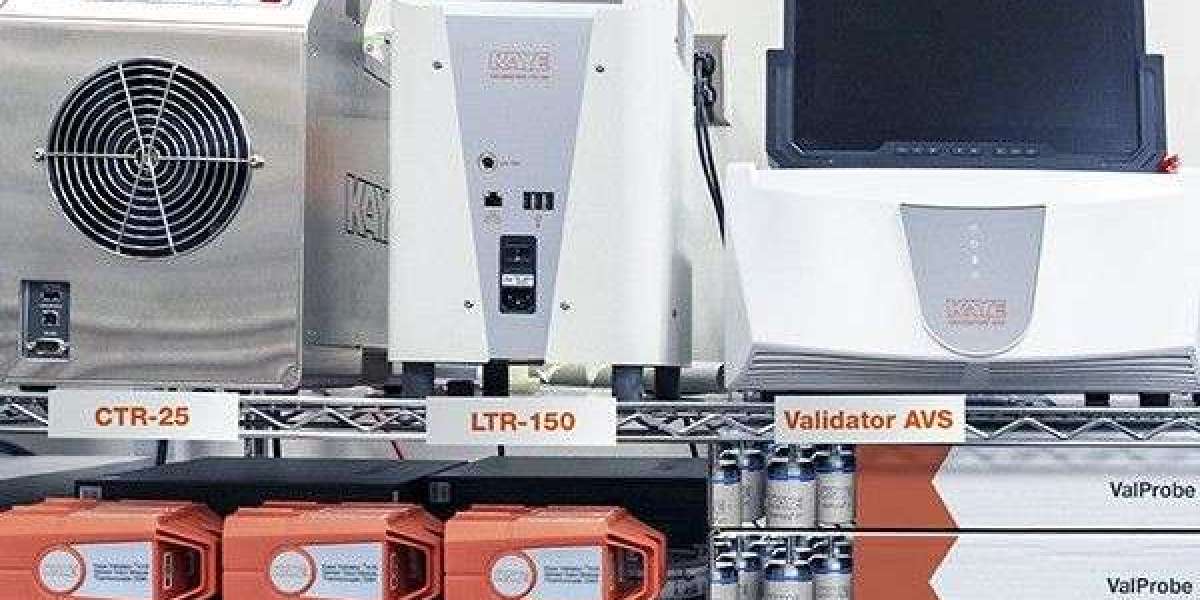
Validation is a crucial component of quality assurance across regulated industries, particularly pharmaceuticals, biotechnology, food production, and manufacturing. To ensure processes, machinery, and products meet required standards, companies rely heavily on validation equipment specialised tools and instruments designed to test, monitor, and verify performance. From temperature mapping systems to data loggers and calibration tools, validation equipment plays an essential role in maintaining compliance and product integrity.
One of the key reasons validation equipment is so important is regulatory compliance. Industries like pharmaceuticals and medical device manufacturing must adhere to strict guidelines set by authorities such as the MHRA, FDA, and ISO standards. Using accurate validation equipment helps organisations prove their processes are operating correctly and consistently. This ensures products are safe, effective, and of high quality. Without proper validation, businesses risk costly errors, product recalls, fines, or even legal consequences.
Another advantage of using reliable validation equipment is improved process efficiency. By validating systems and operations regularly, companies can identify faults early, optimise performance, and reduce downtime. For example, thermal validation tools are used to test sterilisation equipment, ensuring accurate temperature levels are reached to eliminate contamination. Similarly, pressure and humidity validation instruments help maintain stable environmental conditions during production or storage. This proactive approach leads to better productivity, longer equipment lifespan, and less resource waste.
In addition, validation equipment enhances traceability—a crucial factor in quality management. Digital validation devices often store recorded data, allowing businesses to track results over time and demonstrate consistent compliance during audits. With real-time monitoring features, equipment operators can respond immediately to deviations, reducing the risk of compromised products.
Selecting the right validation equipment is also an important investment decision. Factors such as measurement accuracy, compatibility, durability, and ease of use should be considered. Many companies choose equipment integrated with advanced software for automated reporting and analysis, simplifying validation tasks and saving valuable time.
As industries continue to evolve and adopt new technologies, the role of validation equipment is expected to grow. Automation, smart sensors, and digital validation tools are transforming how businesses maintain control over their processes. By prioritising validation and using the right equipment, companies strengthen their quality systems, safeguard their reputation, and enhance consumer trust.
In summary, validation equipment is more than just testing tools it is a foundation for compliance, efficiency, and safety in modern industrial environments.


