
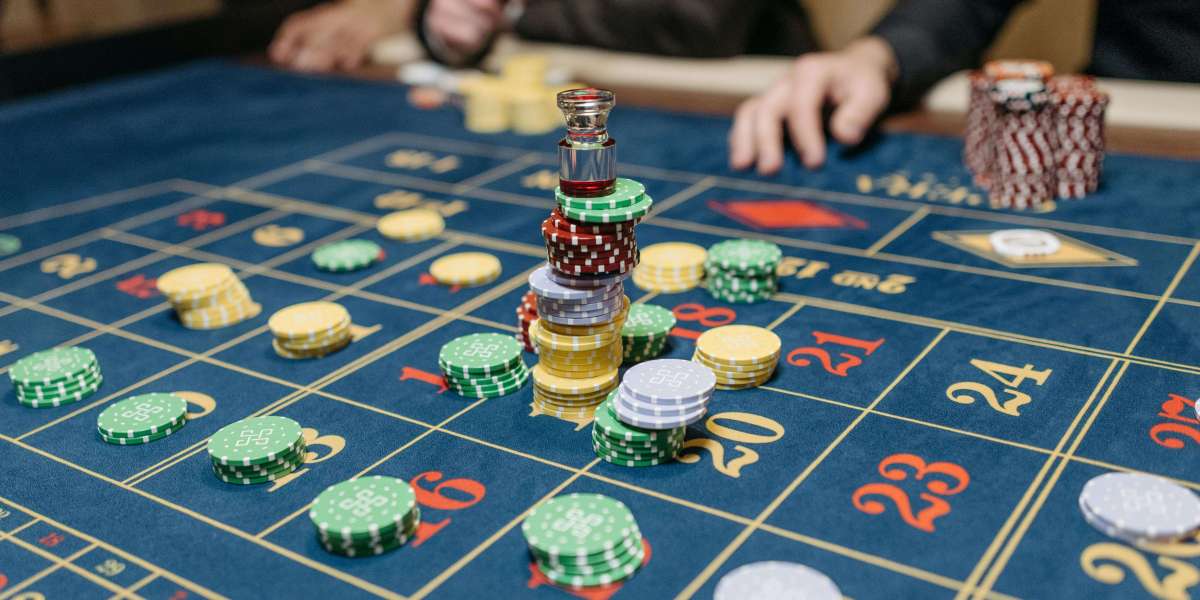
Betting on uncertainty is not merely a recreational activity; it is a condensed version of how humans make decisions when information is incomplete, emotions are heightened, and consequences feel immediate. Gambling places people in environments where time is compressed, feedback is rapid, and outcomes are uncertain by design. Under these conditions, the mind reveals its habits, shortcuts, and vulnerabilities with unusual clarity. What looks like entertainment on the surface functions as a living laboratory for studying judgment under pressure.
Human decision-making rarely follows pure logic, especially when risk is involved. In gambling, probabilities exist, but they are filtered through hope, fear, memory, and expectation. Players often overvalue recent outcomes, believing a loss must soon be followed by a win, or that a streak signals hidden patterns. This tendency reflects a broader human instinct to impose order on randomness. In daily life, people make similar errors when interpreting market trends, career trajectories, or personal relationships, mistaking coincidence for meaning and short-term patterns for long-term truths.
Pressure intensifies these cognitive distortions. When money is at stake and outcomes are immediate, emotional responses compete with rational assessment. The stress of potential loss narrows attention, encouraging faster, less reflective choices. Neuroscientific research shows that under pressure, the brain relies more heavily on heuristics—mental shortcuts that simplify decisions but often reduce accuracy. Gambling environments amplify this effect through sensory stimulation, time constraints, and social cues, creating conditions where instinct frequently overrides analysis.
Another revealing aspect of gambling is how people weigh losses against gains. Loss aversion, the tendency to feel losses more intensely than equivalent gains, drives behaviors such as chasing losses or refusing to walk away after a setback. These behaviors are not unique to casinos. Investors hold failing assets too long, professionals hesitate to abandon unproductive strategies, and individuals persist in unhealthy habits because admitting loss feels psychologically costly. Gambling simply strips these tendencies of their disguises, making them visible and measurable.
Skill-based games further complicate the picture. When skill and chance coexist, as in poker or sports betting, players often overestimate their control over outcomes. Occasional success reinforces confidence, even when long-term results are shaped largely by probability. This mirrors how people assess their abilities in complex systems, from business leadership to predicting social outcomes. Partial control can be more misleading than none at all, because it invites narratives of mastery where uncertainty still dominates. Even number-based games such as togel 4d attract participants who believe insight or pattern recognition can tame randomness, illustrating how deeply the desire for control runs.
Social factors also shape decision-making under gambling pressure. The presence of others can encourage risk-taking, normalize losses, or create competition that pushes individuals beyond their original limits. Humans are social learners, and gambling spaces exploit this by making wins visible and losses quieter. This selective visibility influences perception, much like curated success stories influence attitudes toward entrepreneurship or fame. People judge probabilities not by statistics but by stories, especially when those stories are emotionally charged.
Ultimately, gambling mirrors human decision-making because it compresses life’s uncertainties into a focused, observable form. The same mental tools used at the betting table are used when choosing careers, making financial commitments, or navigating relationships. What differs is not the psychology, but the speed and clarity with which outcomes appear. By examining gambling behavior, we gain insight into how humans respond to uncertainty, how pressure reshapes judgment, and why rationality alone is rarely enough. In this sense, gambling does not distort human decision-making; it reveals it, stripped down to its essentials, illuminated by risk, and driven by the timeless struggle between reason and emotion.