
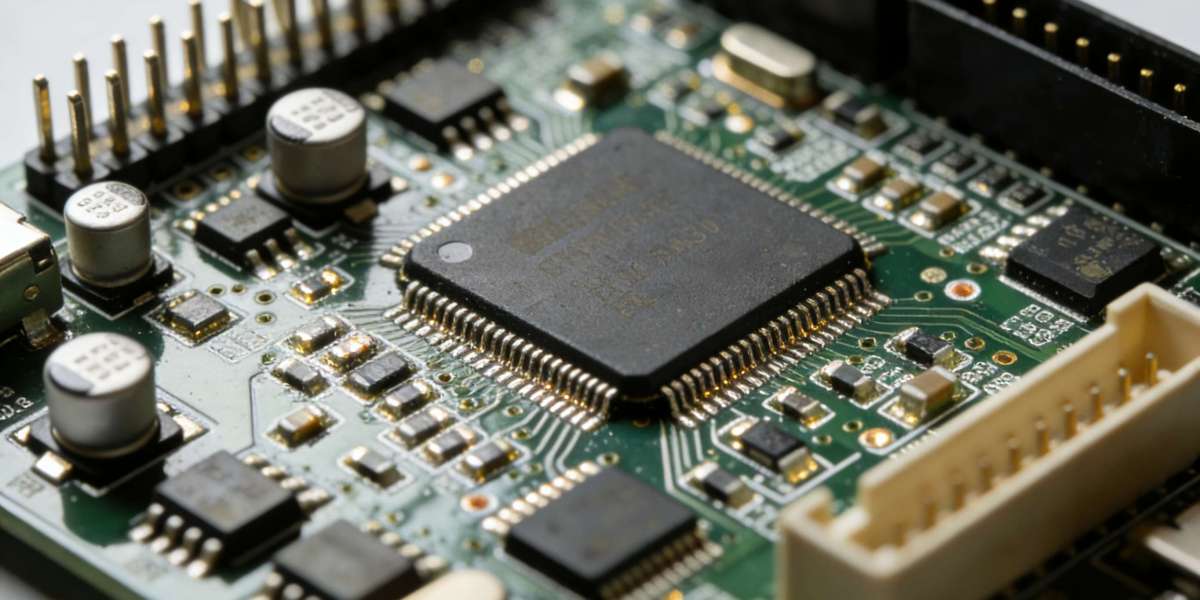
For OEM and ODM project leaders, scaling a product from pilot builds to full production is rarely a linear journey. Design freezes shift, component availability fluctuates, and production complexity grows exponentially as volumes increase. Within this environment, PCBA China has become a central pillar of global electronics manufacturing—not merely due to cost advantages, but because of its ability to manage scale, complexity, and execution discipline.
Yet success at scale is not automatic. Many OEM projects fail not because of poor design, but because manufacturing systems break down under volume pressure. Based on years of hands-on industry experience, three factors consistently determine whether an OEM project succeeds or struggles when sourcing PCBA in China:
Batch consistency
Project management capability
Multi-model parallel production
This article examines these factors through a practical, execution-focused lens to help OEM and ODM leaders better understand what truly drives scalable PCBA success.
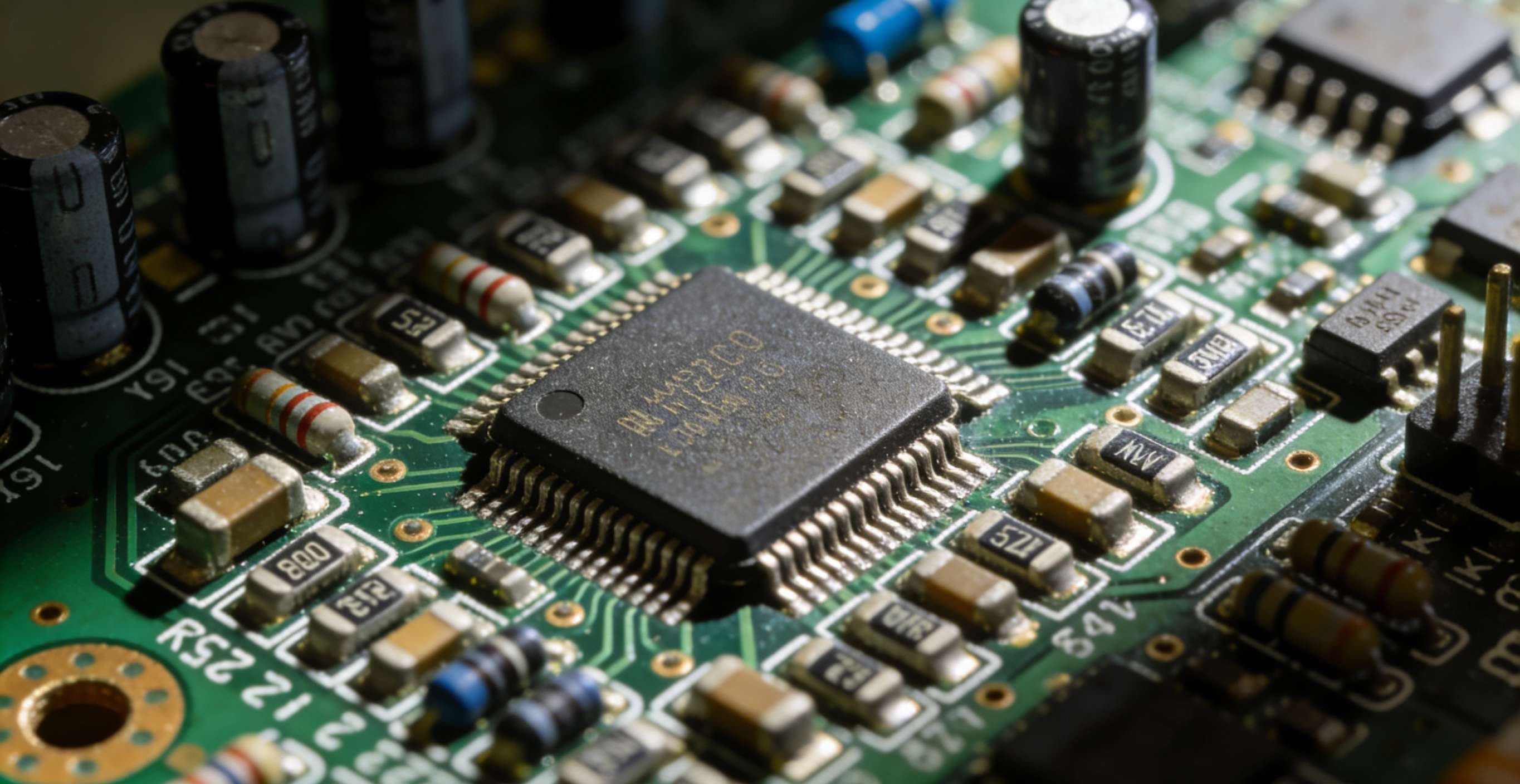
PCBA China at Scale: More Than a Cost Story
At low volumes, PCBA sourcing decisions are often driven by speed and flexibility. At scale, however, priorities shift dramatically. OEM leaders must think in terms of:
Yield stability
Predictable delivery
Change control
Cross-functional coordination
China’s PCBA ecosystem has evolved precisely to address these demands. Over decades, it has built integrated manufacturing environments capable of supporting both early-stage development and high-volume, high-mix production without relocating suppliers or requalifying factories.
This continuity is one of the most underestimated advantages of PCBA China for OEM programs.
Batch Consistency: The Foundation of Scaled Manufacturing
For OEM projects, batch consistency is not optional—it is existential.
Why Consistency Matters More Than Unit Cost
At scale, even minor process variations can lead to:
Field failures
Warranty claims
Regulatory compliance issues
Brand reputation damage
A 0.5% defect rate that appears manageable in pilot runs can become catastrophic when multiplied across tens of thousands of units.
How Leading PCBA China Manufacturers Achieve Consistency
Experienced PCBA China manufacturers focus on process repeatability, not just output volume. This typically includes:
Standardized SMT line configurations
Controlled solder paste and reflow profiles
Component traceability down to the lot level
Statistical process control (SPC)
From an OEM perspective, consistency is a systems problem—not a labor issue. Factories that rely on informal adjustments or operator experience struggle as volumes grow. Those that rely on documented, auditable processes scale reliably.
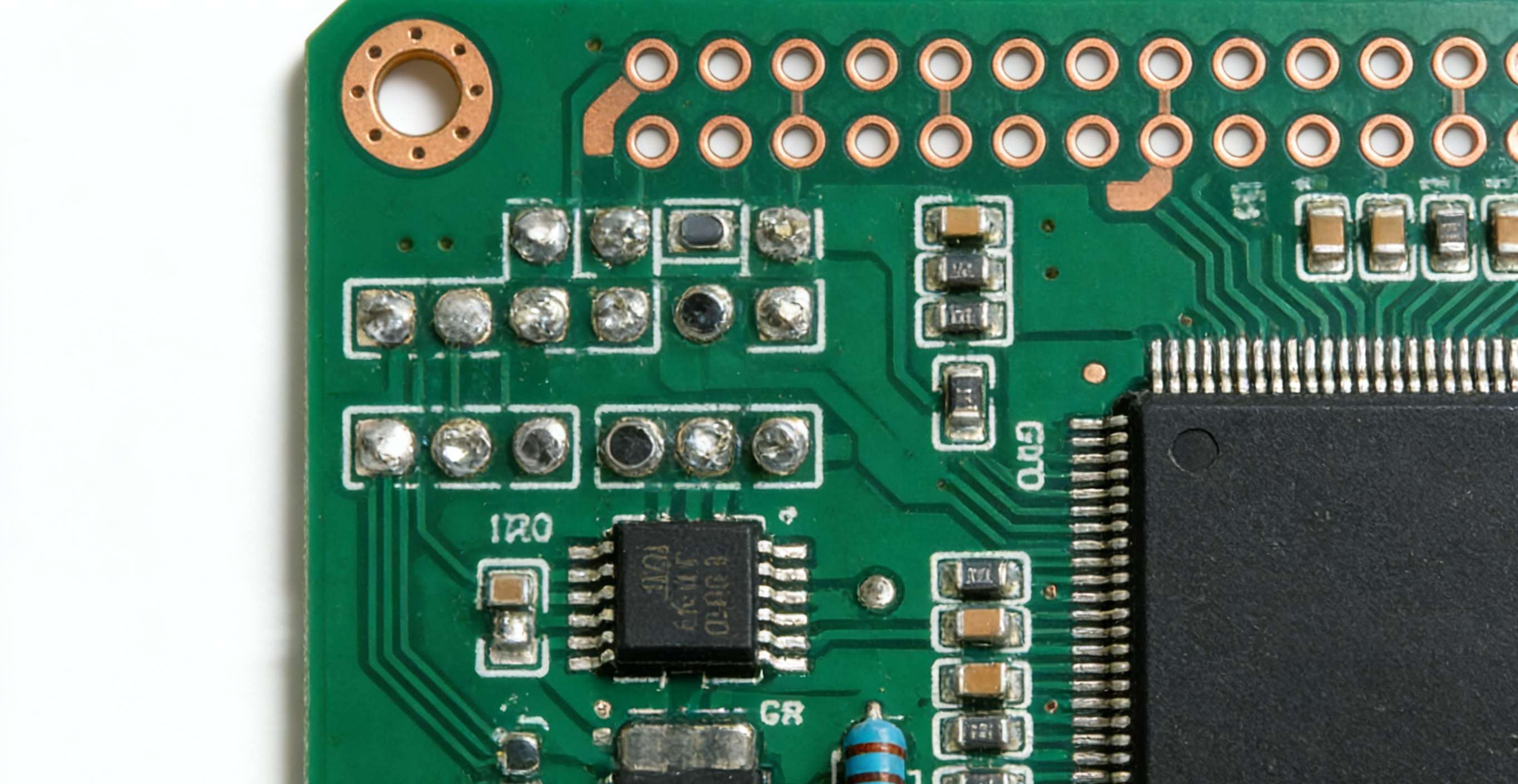
Project Management: The Invisible Driver of OEM Success
In scaled OEM manufacturing, project management capability often outweighs technical capability.
Why OEM Projects Fail Without Strong PCBA Project Management
OEM and ODM programs involve constant coordination between:
Design teams
Procurement
Manufacturing
Quality
Logistics
Without structured project ownership, issues such as ECO delays, component substitutions, or test coverage gaps quickly spiral into missed milestones.
What OEM Leaders Should Expect from PCBA Project Management
Mature PCBA China partners typically provide:
Dedicated project managers with technical literacy
Clear escalation paths for quality and schedule risks
Documented change management workflows
Regular production and yield reporting
The goal is not just communication, but decision velocity. OEM projects succeed when issues are identified early, assessed accurately, and resolved without disrupting downstream schedules.
Managing the Transition: From Low Volume to Mass Production
One of the most critical—and risky—phases in OEM programs is the transition from validation builds to mass production.
Many OEM teams underestimate how different these phases truly are. Design tolerances that work in small batches may fail under volume stress. Component substitutions acceptable during prototyping may introduce long-term supply risk.
A structured comparison of these phases—and how manufacturers should support each—is well articulated in discussions around low-volume versus mass production PCBA in China, which highlight why early manufacturing decisions directly impact long-term scalability.
For OEM leaders, the takeaway is clear: manufacturing strategy must be aligned from day one, even when volumes are still small.
Multi-Model Parallel Production: The Real Test of Manufacturing Maturity
Modern OEM portfolios rarely involve a single product. More often, factories must support:
Multiple SKUs
Regional variants
Ongoing revisions
Overlapping product lifecycles
This is where many PCBA suppliers fail.
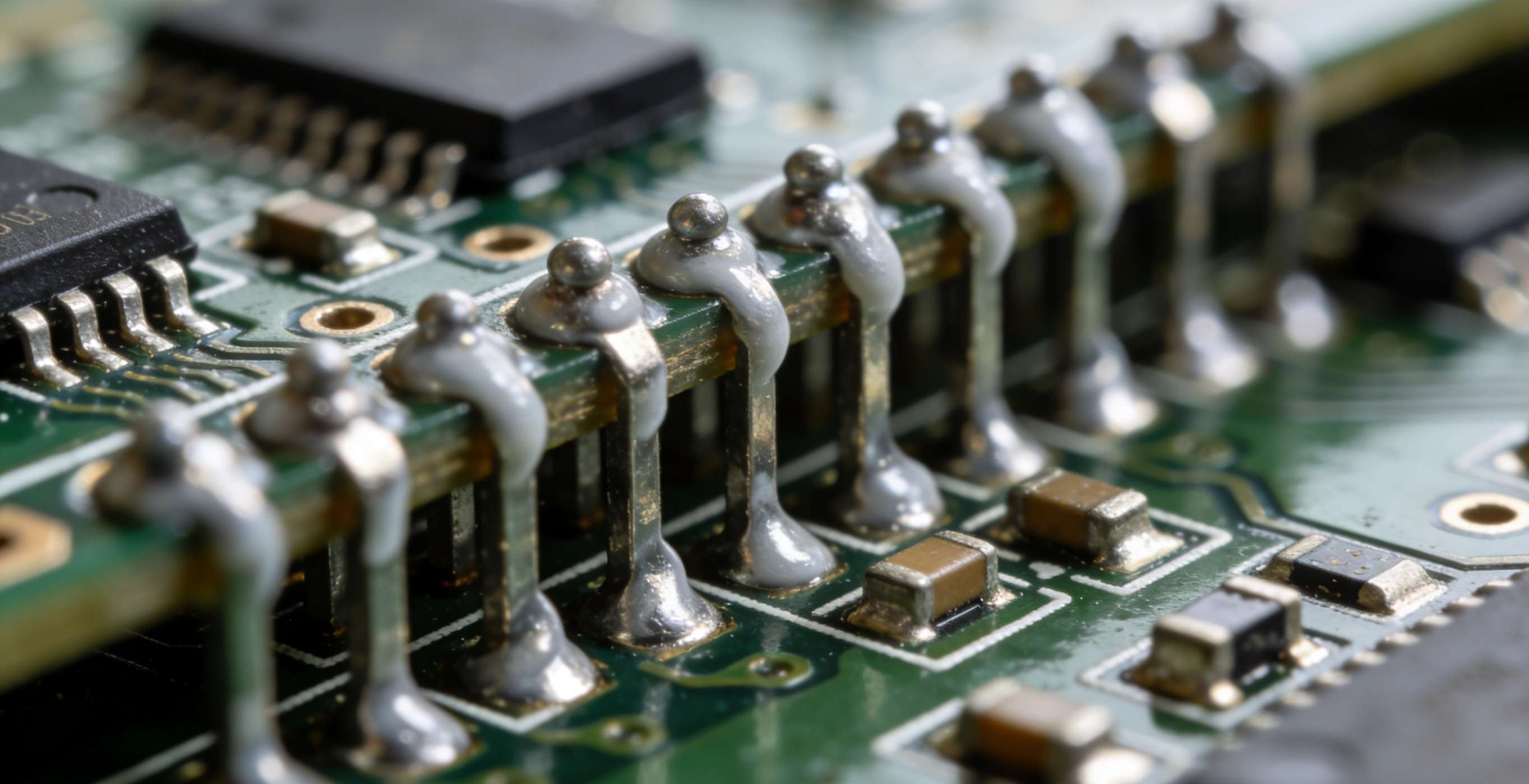
Why Multi-Model Production Is So Challenging
Parallel production introduces complexity in:
BOM control
Line changeovers
Test program management
Inventory segregation
Without disciplined systems, errors such as mixed components, incorrect firmware, or test mismatches become inevitable.
How PCBA China Handles High-Mix Environments
Leading PCBA China manufacturers have invested heavily in:
MES systems for model tracking
Barcode-based material control
Program-controlled test fixtures
Modular line setups
For OEM leaders, the ability to run multiple models simultaneously without quality degradation is a strong indicator of true manufacturing maturity.
Quality Is a Process, Not a Department
Another misconception among less experienced OEM teams is viewing quality as a downstream function. At scale, quality must be designed into the process.
Effective PCBA China partners integrate quality into:
DFM/DFA reviews
Incoming material inspection
In-line testing (AOI, X-ray, ICT)
Final functional validation
When quality is treated as a gate instead of a workflow, OEM projects suffer from late-stage surprises that are costly and disruptive.
Risk Management in Scaled PCBA China Projects
OEM project leaders must also evaluate systemic risks beyond the factory floor:
Component lifecycle management
Second-source qualification
Logistics resilience
Regulatory compliance
China’s PCBA ecosystem supports these needs through its dense supplier networks and rapid response capabilities—but only when OEM teams actively engage in risk planning rather than reacting after issues arise.
Key Takeaways for OEM / ODM Project Leaders
From an industry expert’s perspective, OEM projects succeed with PCBA China manufacturing at scale when:
Batch consistency is treated as a core KPI
Project management is structured and technically informed
Low-volume and mass production strategies are aligned early
Multi-model production is supported by robust systems
Quality is embedded throughout the process, not inspected at the end
These factors—not headline pricing—determine whether PCBA China becomes a strategic advantage or a long-term liability.
Final Thoughts
Scaling an OEM project is ultimately about reducing uncertainty while increasing output. PCBA China offers the infrastructure, experience, and ecosystem to support this goal—but success depends on selecting partners who understand scale as a discipline, not just a capacity number.
For OEM and ODM leaders currently managing complex product portfolios, how do you evaluate whether your PCBA partners are truly prepared for multi-model, high-volume execution?
Many project leaders choose to continue this evaluation by reviewing in-depth manufacturing perspectives and case-based insights available through experienced PCBA providers such as Sanshunsmart, which often serve as reference points for scalable production strategy discussions.


