
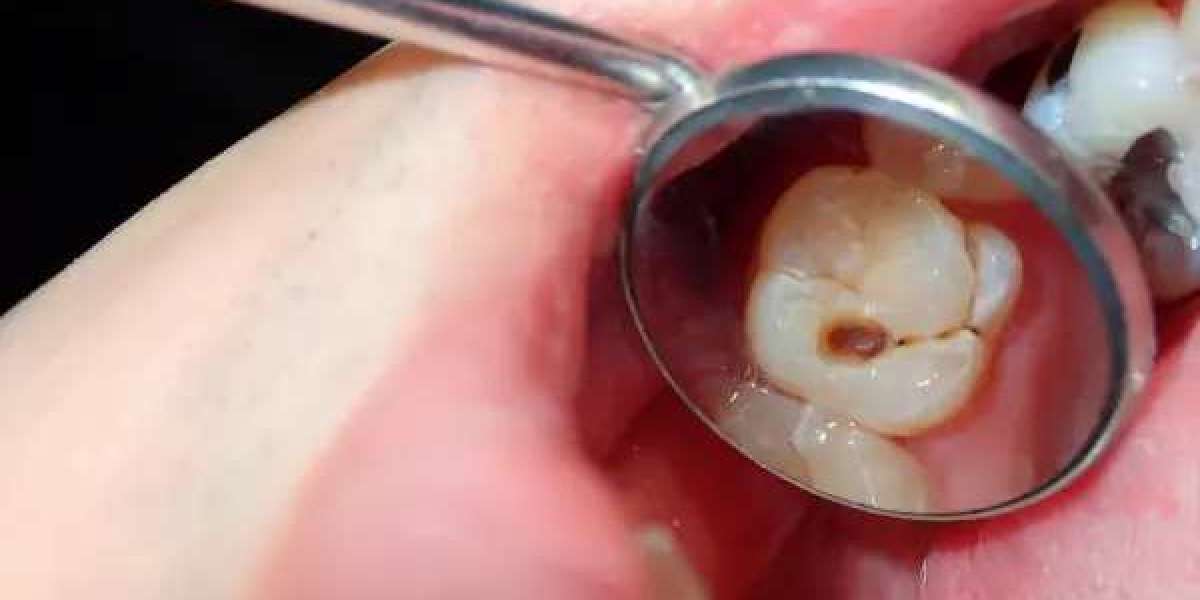
One of the most common questions people ask before their procedure is, “Do all four wisdom teeth get pulled at once?” The short answer is: it depends on your specific case, but often, the removal of all four Wisdom Tooth Extraction is recommended during a single surgical session. Dentists and oral surgeons typically evaluate your oral health, the position of the teeth, and your risk factors before making this decision. Understanding why all four might be removed at once and what to expect can ease anxiety and prepare you for the recovery process.
Why Dentists Recommend Removing All Four at Once?
Many dental professionals suggest removing all four wisdom teeth during the same appointment to streamline recovery and reduce long-term issues.
Reduces the need for multiple surgeries, minimizing overall discomfort and downtime
Prevents future complications, such as infections, crowding, or impaction from untreated teeth
Ensures symmetrical healing, especially when all wisdom teeth are problematic or impacted
Lowers overall cost by avoiding separate anesthesia or appointment fees
Saves time and scheduling hassles, which is especially helpful for busy students or working adults
Having all four removed at once may seem daunting, but it can often be the most efficient solution.
When Only One or Two Wisdom Teeth Are Removed?
Not everyone needs all four wisdom teeth pulled. In some cases, only one or two may be causing problems, while the others remain healthy or haven’t fully erupted.
If only one tooth is impacted, it might be the only one extracted
Asymptomatic or non-erupted teeth may be monitored instead of removed
Some individuals are congenitally missing one or more wisdom teeth, making full removal unnecessary
Selective extraction is common in older adults, where risk increases with multiple extractions
Dentists may also delay further extractions, depending on how the mouth responds post-op
Your dentist will make this decision based on x-rays, your symptoms, and your overall oral health.
Pros and Cons of Extracting All Four at Once:
When considering whether to extract all your wisdom teeth at once, weighing the advantages and disadvantages helps in making an informed decision.
Pros include fewer surgical visits, one healing period, and lower cumulative cost
General anesthesia or IV sedation is often used, making it less stressful for patients
You’ll only go through swelling, bruising, and dietary restrictions once
Cons include a potentially more difficult recovery, with increased swelling and discomfort
Greater care is needed during healing, especially when dealing with all quadrants of the mouth
Every patient’s situation is unique, and what works for one may not suit another.
What to Expect During and After the Procedure?
Knowing what happens during a procedure involving all four wisdom teeth can reduce anxiety and help with preparation.
The procedure usually takes 45 minutes to an hour, depending on complexity
Sedation options include local anesthesia, nitrous oxide, or general anesthesia
Post-operative swelling and bruising are most noticeable on days 2–3
Soft foods like mashed potatoes, smoothies, and broths are recommended
Pain management includes over-the-counter medications and possibly antibiotics
Recovery can take up to two weeks, but most people resume normal activities within 3–5 days.
Who Should Avoid Having All Four Removed at Once?
While removing all four Wisdom Tooth Extraction Treatment at once is common, it's not always the best option for everyone. Certain health conditions or anatomical challenges may warrant a different approach.
Patients with underlying medical conditions may need staggered procedures to reduce stress on the body
Older adults with dense jawbone structure may face longer healing times with multiple extractions
People with anxiety or dental phobia may benefit from breaking the procedure into smaller sessions
If only some teeth are visible or accessible, staged removal may be safer
Those with poor healing history should be monitored closely and may not tolerate full-mouth extraction well
A personalized treatment plan will always prioritize patient safety and comfort.
So, do all four wisdom teeth get pulled at once? In many cases, yes—especially when it leads to a more convenient and efficient recovery. However, your oral surgeon will carefully evaluate your condition to determine the best course of action. Whether you have one or all four removed, understanding your options helps you approach the procedure with confidence and peace of mind.


