
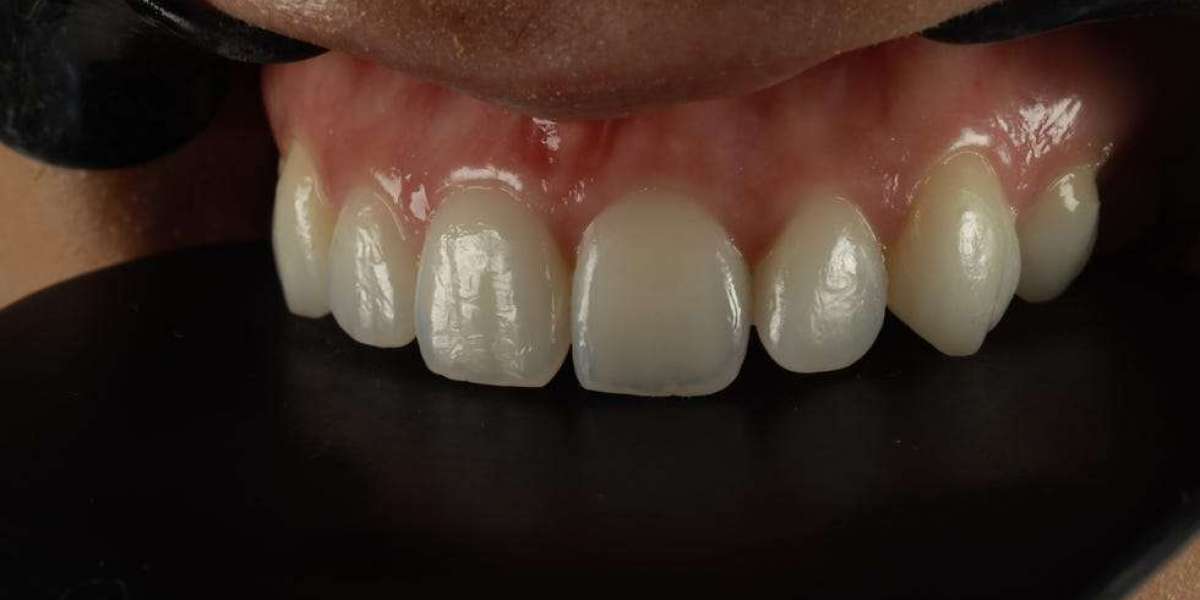
Knowing what to do if your bonding feels loose is important for maintaining both the appearance and health of your teeth. Dental Bonding Cementing is a common cosmetic procedure used to fix chips, close gaps, or enhance tooth color. While it is designed to be durable, bonding can become loose over time due to wear, trauma, or improper oral habits. Addressing a loose bonding promptly can prevent further damage and discomfort.
Recognize the Warning Signs Early:
Loose bonding doesn't always come with pain, which is why it's crucial to know what to watch for. Identifying the issue early gives you the best chance of preventing more serious complications like decay or tooth damage.
Common signs of loose bonding include
A rough texture or sharp edge on the treated tooth
Sensitivity to hot or cold foods and drinks
Visible separation between the tooth and bonding material
A clicking sound or slight movement when you bite
Discomfort when chewing or brushing
Being alert to these subtle changes can help you act quickly and preserve your dental work.
Avoid Making It Worse at Home:
If your bonding feels loose, resist the urge to pick at it or attempt a home fix. Taking the wrong steps can lead to further detachment or even damage to your natural tooth structure.
Here’s what to do instead
Stop using the affected tooth to chew hard or sticky foods
Rinse with warm salt water to keep the area clean and reduce bacteria
Use dental wax to protect your tongue from sharp edges if necessary
Avoid brushing the area aggressively until a dentist evaluates it
Call your dentist as soon as possible to book an appointment
These small precautions can prevent an uncomfortable situation from becoming a dental emergency.
What to Expect at Your Dental Appointment?
When you visit your dentist, they’ll perform a full assessment of the bonding and surrounding tooth to determine the best course of action. Most cases of loose bonding are easily fixable, often within a single visit.
The dental evaluation may include
Visual inspection of the bonding for cracks or gaps
X-rays to ensure the underlying tooth is healthy
Cleaning the area to remove plaque or debris
Reapplying or replacing the bonding material as needed
Recommendations for alternative treatments if bonding is no longer effective
Quick, professional intervention ensures the issue is properly treated and not just temporarily masked.
Why Bonding Becomes Loose?
Understanding what causes bonding to loosen can help prevent future problems. While bonding is strong, it’s not invincible. Daily habits and oral conditions play a big role in its longevity.
Common causes include
Chewing on hard objects like pens, nails, or ice
Grinding or clenching your teeth (bruxism)
Poor oral hygiene that allows decay to form beneath the bonding
Eating acidic or sugary foods that erode the resin
Natural wear and tear over time
Being mindful of these triggers can help extend the life of your dental bonding.
Protecting and Maintaining Your Bonded Teeth:
Once your dentist has repaired or replaced the Dental Bonding Cementing Treatment, follow simple maintenance tips to prevent a repeat occurrence. Proper care will help ensure your dental work lasts as long as possible while keeping your teeth healthy.
Tips to care for bonded teeth
Brush with a soft-bristled toothbrush using non-abrasive toothpaste
Floss daily, being gentle around bonded areas
Avoid biting directly into hard foods like apples or ice
Limit coffee, wine, and tobacco to reduce staining
Wear a nightguard if you grind your teeth while sleeping
Visit your dentist for regular checkups and cleanings
Consistent care and smart habits can go a long way in preserving your beautiful, bonded smile.


