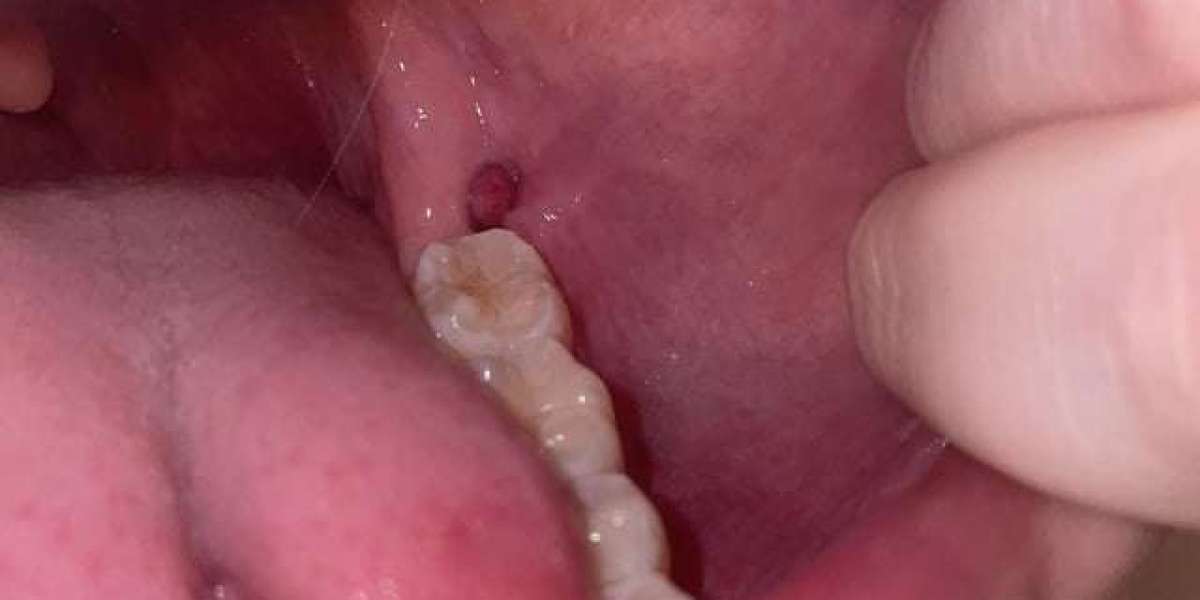
Wondering how do you know if your wisdom teeth need to be removed can feel stressful, especially when these third molars usually surface just as you’re finishing high school or college. Because the back of the jaw often lacks room for them to erupt cleanly, wisdom teeth can create a chain reaction of oral problems long before you feel any serious pain. Identifying the right moment for Wisdom Tooth Extraction saves you discomfort, preserves your smile, and can even reduce future dental costs.
Noticeable Signs and Everyday Symptoms:
Your own body often provides the first hints that your wisdom teeth are misbehaving. Be on the lookout for:
Persistent soreness or throbbing in the very back of your mouth
Gum swelling or redness that returns even after thorough brushing
Bad breath or unpleasant taste that lingers despite mouth-wash
Difficulty opening your jaw fully or chewing food on one side
Headaches or earaches that coincide with back-of-mouth pressure
If one or more of these symptoms appears, schedule a dental visit promptly; early intervention typically means easier, less invasive treatment.
Diagnostic Tools Your Dentist Uses:
Even when you feel fine, dentists rely on imaging and clinical checks to decide whether removal is wise:
Panoramic X-rays reveal the exact angle of each wisdom tooth and its root length
Cone-beam CT scans give 3-D detail, showing proximity to nerves and sinuses
Periodontal probing measures gum pocket depth for hidden infection
Bite analysis confirms whether erupting molars are shifting other teeth out of line
Visual inspection spots partial eruptions that trap food or bacteria
A combination of these assessments offers a comprehensive picture, helping your dentist predict future trouble even before pain starts.
Risk Factors That Push Toward Extraction:
Certain conditions accelerate the need for surgery. You’re more likely to require removal if you have:
Small jaw size leaving insufficient space for four large molars
Impaction patterns such as horizontal or angular growth pressing on neighboring roots
Previous orthodontic work that could be ruined by late tooth movement
Family history of cysts or tumors arising around impacted teeth
Systemic conditions like diabetes that heighten infection risks
Discussing these factors with your dentist helps determine whether watchful waiting or proactive removal is the safest path.
Questions to Ask at Your Consultation
A productive appointment goes beyond “Do they hurt?” Bring these points to ensure you leave with clarity:
Will delaying removal increase nerve-damage risk?
How developed are the roots right now, and does that affect healing time?
What anesthesia options will keep me comfortable yet aware of post-op instructions?
Can you show me where the teeth sit relative to my sinus cavities?
What costs are involved, and will insurance cover part of the procedure?
Taking notes (or bringing a trusted friend) lets you weigh pros and cons calmly once you’re home.
Timing Your Decision for the Best Outcome:
While there’s no universal clock, most oral surgeons recommend Wisdom Tooth Extraction Treatment between ages 17 and 25: roots are only two-thirds formed, bone is more flexible, and recovery is faster. However, immediate surgery is often advised when:
Pain is escalating or infections keep recurring
Inflammation threatens gum or bone health
Orthodontic alignment is shifting despite retainers
Cysts are visible around unerupted teeth
Conversely, fully erupted, straight wisdom teeth that are easy to clean may remain under ongoing observation. Twice-yearly checkups with periodic X-rays ensure any late-onset issues are caught early.
By paying attention to subtle symptoms, leveraging modern diagnostics, and understanding personal risk factors, you’ll know precisely how to tell if your wisdom teeth need to be removed—and you’ll be ready to act before small annoyances become big problems.