
Introduction
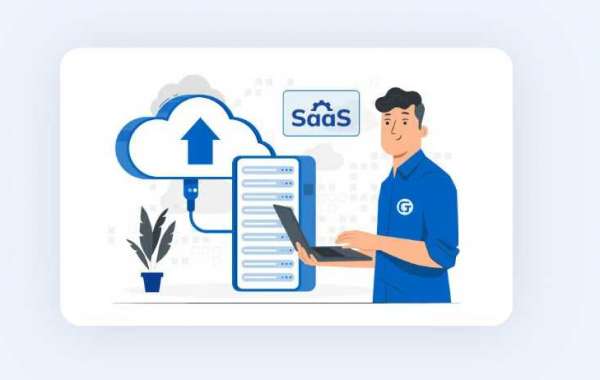
Software as a Service (SaaS) has revolutionized the software industry by providing scalable, on-demand solutions via the cloud. Unlike traditional software, which requires installation and maintenance on individual devices, SaaS applications are accessed over the internet, offering convenience, flexibility, and cost efficiency. This article delves into the intricacies of SaaS app development, exploring the key components, stages, and best practices involved in creating a successful SaaS application.
What is SaaS?
SaaS is a software distribution model where applications are hosted by a service provider and made available to customers over the internet. Instead of purchasing and installing software on individual machines, users subscribe to the service and access the application through a web browser. This model offers several advantages, including lower upfront costs, automatic updates, scalability, and accessibility from anywhere with an internet connection.
Key Components of SaaS Applications
1. Multi-Tenancy Architecture
A fundamental aspect of SaaS is its multi-tenancy architecture. This design allows a single instance of the application to serve multiple customers (tenants). Each tenant's data is isolated and protected, ensuring privacy and security. Multi-tenancy maximizes resource utilization and reduces costs for both the provider and the users.
2. Subscription Billing
SaaS applications typically operate on a subscription-based model. This can include various pricing tiers, such as monthly or annual subscriptions, with different levels of access or features. Implementing a robust billing system is crucial for managing subscriptions, invoicing, and payment processing.
3. Scalability
SaaS applications must be designed to scale efficiently as the user base grows. This involves managing increased traffic, data storage, and computing resources without compromising performance. Scalability can be achieved through cloud infrastructure and microservices architecture.
4. User Management and Authentication
Effective user management is essential for controlling access to the application. This includes authentication mechanisms, such as single sign-on (SSO) and multi-factor authentication (MFA), as well as role-based access control (RBAC) to manage user permissions.
5. Data Security and Compliance
Data security is a top priority for SaaS applications, given the sensitive nature of user information. Implementing encryption, secure data storage, and regular security audits are vital. Additionally, compliance with regulations such as GDPR, HIPAA, and CCPA is essential for maintaining trust and avoiding legal issues.
6. APIs and Integration
APIs (Application Programming Interfaces) allow SaaS applications to integrate with other systems and services. This enables features like data synchronization, third-party integrations, and automation. Providing a well-documented API can enhance the application's versatility and appeal.
7. User Experience (UX) Design
A user-friendly interface and intuitive design are critical for ensuring user satisfaction. SaaS applications should offer a seamless experience, with clear navigation, responsive design, and accessibility features. Regular user feedback and iterative design improvements can help enhance the UX.
Stages of SaaS App Development
1. Idea and Market Research
Before starting development, it's crucial to validate the idea and understand the market. This involves:
- Identifying Pain Points: Determine the problems your application aims to solve.
- Competitor Analysis: Research existing solutions and identify gaps in the market.
- Target Audience: Define your target users and understand their needs and preferences.
- Value Proposition: Develop a clear value proposition that differentiates your application from competitors.
2. Planning and Requirements Gathering
Once the idea is validated, the next step is to plan the development process:
- Define Scope: Outline the features, functionality, and objectives of the application.
- Create Wireframes and Prototypes: Develop visual representations of the user interface and workflow.
- Technical Requirements: Identify the technology stack, infrastructure, and resources needed.
3. Design and Development
With the planning phase complete, the design and development phase begins:
- UI/UX Design: Create detailed designs based on the wireframes and prototypes.
- Front-End Development: Build the user interface using technologies such as HTML, CSS, and JavaScript frameworks.
- Back-End Development: Develop the server-side components, including databases, APIs, and business logic.
- Integration: Implement integrations with third-party services and APIs.
4. Testing
Testing is critical to ensure the application is reliable and performs well:
- Functional Testing: Verify that all features work as intended.
- Performance Testing: Assess the application's performance under various loads.
- Security Testing: Identify and address potential security vulnerabilities.
- User Acceptance Testing (UAT): Gather feedback from end-users to ensure the application meets their needs.
5. Deployment
Once testing is complete, the application is ready for deployment:
- Infrastructure Setup: Configure cloud infrastructure and deploy the application.
- Monitoring and Maintenance: Implement monitoring tools to track performance and address any issues that arise.
- Continuous Integration/Continuous Deployment (CI/CD): Use CI/CD pipelines to automate deployment and streamline updates.
6. Marketing and User Acquisition
Effective marketing is essential for attracting users and driving growth:
- Go-to-Market Strategy: Develop a strategy for launching the application and reaching your target audience.
- Marketing Channels: Utilize various channels, such as social media, content marketing, and paid advertising.
- Customer Support: Provide support and resources to help users get the most out of the application.
7. Feedback and Iteration
After launch, continuously gather feedback from users and make improvements:
- User Feedback: Collect and analyze feedback to identify areas for enhancement.
- Feature Updates: Release updates and new features based on user needs and market trends.
- Performance Optimization: Monitor and optimize the application's performance for better user experience.
Best Practices for SaaS App Development
1. Focus on Scalability
Design your application with scalability in mind. Use cloud services and microservices architecture to handle increasing user loads and data volumes efficiently.
2. Prioritize Security
Implement robust security measures to protect user data. Regularly update your application to address new security threats and comply with industry standards.
3. Adopt Agile Development
Use agile methodologies to develop your application iteratively. This approach allows for flexibility and adaptability, enabling you to respond to changes and feedback effectively.
4. Invest in UX/UI Design
A seamless and intuitive user experience is crucial for user satisfaction. Invest in professional UX/UI design to ensure your application is easy to use and visually appealing.
5. Automate Testing and Deployment
Implement automated testing and CI/CD pipelines to streamline the development process. This helps in identifying issues early and ensures a smooth deployment process.
6. Implement Monitoring and Analytics
Use monitoring tools and analytics to track application performance, user behavior, and other key metrics. This data helps in making informed decisions and improving the application.
7. Plan for Customer Support
Provide excellent customer support to address user queries and issues promptly. Offer resources such as FAQs, tutorials, and a support team to assist users effectively.
8. Regularly Update and Improve
Continuously update your application to add new features, fix bugs, and improve performance. Regular updates keep users engaged and ensure your application remains relevant.
Challenges in SaaS App Development
1. Security Concerns
SaaS applications are prime targets for cyberattacks. Ensuring data protection and compliance with regulations can be challenging but is essential for maintaining user trust.
2. Managing Multi-Tenancy
Implementing and managing multi-tenancy can be complex, particularly in ensuring data isolation and optimizing resource usage.
3. Scalability Issues
As your user base grows, scaling the application to handle increased traffic and data can be challenging. Proper planning and infrastructure are crucial to address these issues.
4. Continuous Integration and Delivery
Maintaining a CI/CD pipeline requires ongoing effort and resources. Ensuring smooth and error-free deployments while incorporating new features and updates can be demanding.
5. User Retention
Attracting users is just the beginning; retaining them is a continuous effort. Providing ongoing value, addressing feedback, and maintaining high-quality support are key to user retention.
Conclusion
SaaS app development is a dynamic and multifaceted process that requires careful planning, execution, and ongoing management. By understanding the key components, stages, and best practices, developers can create scalable, secure, and user-friendly applications that meet the needs of modern users. The SaaS model offers significant advantages, including cost savings, accessibility, and flexibility, making it a popular choice for businesses and individuals alike. As the SaaS landscape continues to evolve, staying informed about emerging trends and technologies will be crucial for success in this competitive field.


