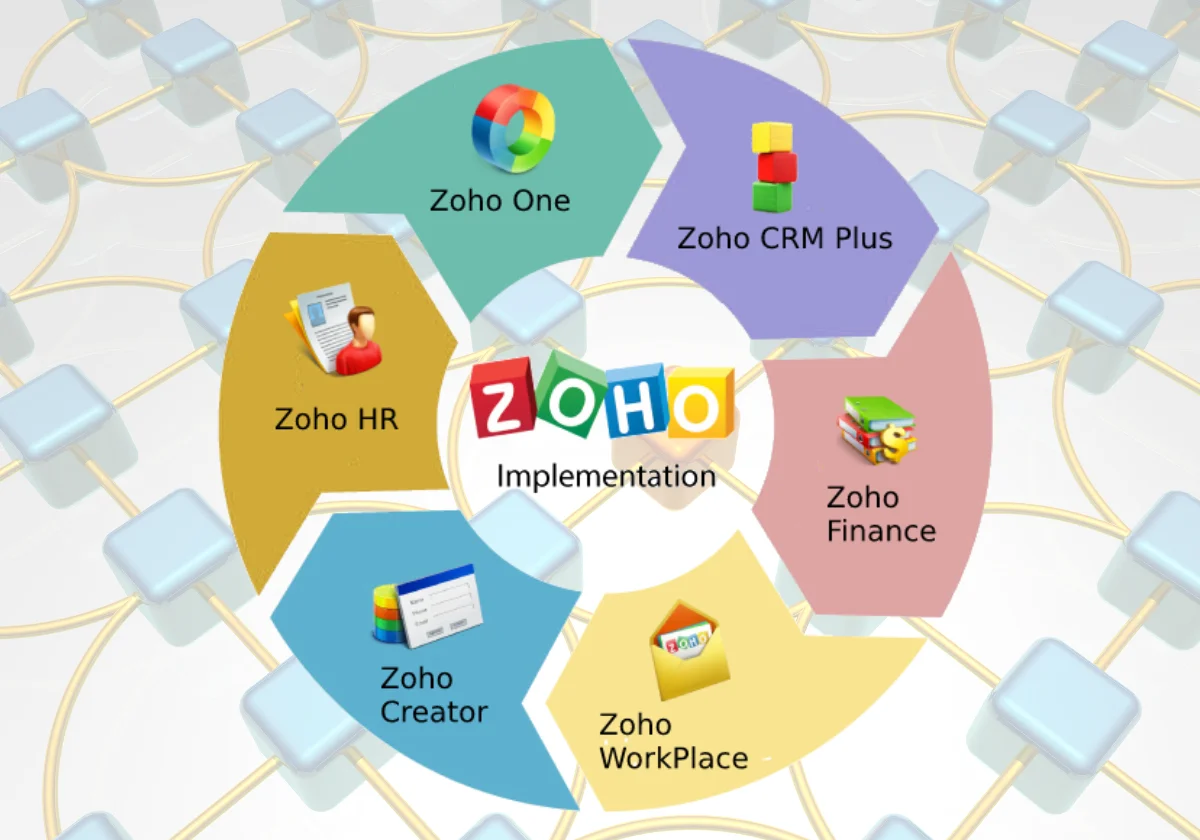

However, implementation involves much more than activating software features. It requires translating business operations into a structured digital environment that supports daily work and long-term growth.
Creating a Clear Implementation Strategy
The implementation process begins with planning. Businesses must determine which departments will use the system, what challenges need to be solved, and which outcomes are expected. A clear strategy helps avoid unnecessary complexity and ensures that the platform is configured with purpose.
Reviewing Existing Workflows
Understanding current workflows is an essential part of implementation. Businesses often discover that important processes depend heavily on manual actions or disconnected tools. By reviewing how information moves between departments, organizations can identify inefficiencies and design more consistent operational methods.
Structuring the CRM Around Business Logic
A successful CRM system reflects the way a business actually operates. During implementation, modules, pipelines, and data structures are organized to support sales cycles, customer communication, and reporting requirements. Proper structure improves usability and helps teams navigate the system more effectively.
Customizing Features for Daily Operations
Zoho offers flexibility that allows businesses to adapt the platform to their unique needs. Custom fields, automation rules, dashboards, and approval processes can all be configured to support specific workflows. These adjustments help reduce repetitive tasks and improve operational accuracy.
Integrating Different Business Functions
One of the major advantages of Zoho implementation is the ability to connect multiple business functions within a single ecosystem. Sales, marketing, customer support, and finance can share information more efficiently, reducing duplication and improving collaboration between teams.
Managing Data Migration Carefully
Moving existing data into a new system requires attention to detail. Information must be organized, cleaned, and validated before migration begins. Accurate migration ensures that customer histories, sales records, and reporting data remain reliable after the transition.
Training Teams and Supporting Adoption
Employees need time and guidance to adapt to new systems. Training sessions help users understand workflows, automation, and reporting tools relevant to their roles. Strong adoption is often the deciding factor between a successful implementation and a system that is underused.
Monitoring Performance After Launch
Once the system becomes part of daily operations, businesses continue evaluating its performance. Reports, user feedback, and workflow analysis help identify opportunities for refinement. Adjustments made after launch often improve efficiency even further.
Conclusion
Zoho CRM Implementation is a process of aligning technology with operational needs. With proper planning, customization, and ongoing improvement, businesses can create a centralized system that supports productivity, collaboration, and sustainable development.