
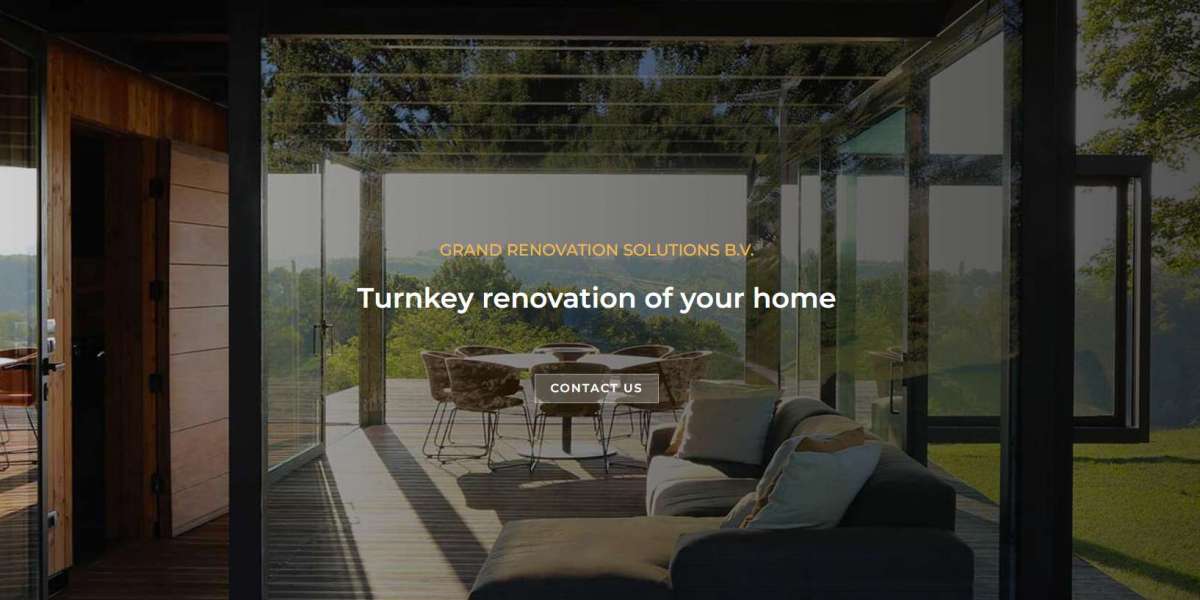
Home is more than just a place where we live—it is a reflection of who we are, how we think, and what we value. Over time, however, even the most thoughtfully designed homes can begin to feel outdated, inefficient, or simply out of sync with changing lifestyles. This is where home renovation steps in as both a practical necessity and a creative opportunity. Whether driven by the need for more space, improved functionality, or aesthetic renewal, renovation projects have become an essential part of modern living.
In recent years, the concept of home renovation has evolved dramatically. It is no longer limited to fixing what is broken or replacing what is worn out. Instead, it is about reimagining spaces, integrating technology, improving sustainability, and enhancing overall quality of life. From small apartment upgrades to full-scale property transformations, renovation has become a powerful tool for personal expression and long-term investment.
Understanding the Purpose of Renovation
Every renovation project begins with a purpose. For some homeowners, the goal is to increase property value before selling. For others, it is about creating a more comfortable and functional environment for everyday living. Families may need additional rooms, remote workers may require dedicated office spaces, and design enthusiasts may seek to modernize outdated interiors.
Clarity of purpose is essential because it influences every decision that follows—from budgeting and planning to material selection and design direction. A well-defined goal ensures that the renovation process remains focused and efficient, avoiding unnecessary expenses and delays.
Planning: The Foundation of Success
A successful renovation is built on careful planning. This stage involves assessing the current condition of the property, identifying areas that need improvement, and setting realistic expectations. Budgeting plays a crucial role here. It is important to account not only for visible costs such as materials and labor but also for hidden expenses like permits, structural adjustments, and unexpected repairs.
Working with professionals—architects, designers, and contractors—can significantly improve the outcome of a renovation project. Their expertise helps translate ideas into actionable plans while ensuring compliance with local regulations and safety standards. Additionally, professional guidance can prevent costly mistakes and introduce innovative solutions that homeowners may not have considered.
Design Trends Shaping Modern Renovation
Contemporary renovation trends reflect broader societal changes, including a growing emphasis on sustainability, technology, and well-being. Open-concept living spaces remain popular, as they promote social interaction and maximize natural light. Kitchens and living rooms are often combined into multifunctional areas that serve as the heart of the home.
Minimalism continues to influence interior design, with clean lines, neutral color palettes, and uncluttered spaces creating a sense of calm and order. At the same time, there is a rising interest in personalization—bold accents, unique textures, and custom features that reflect individual taste.
Sustainability has also become a central theme in renovation projects. Energy-efficient appliances, eco-friendly materials, and improved insulation are now standard considerations. Homeowners are increasingly aware of their environmental impact and are seeking ways to reduce energy consumption while maintaining comfort.
The Role of Technology
Technology is transforming the way we approach home renovation. Smart home systems allow homeowners to control lighting, heating, security, and entertainment from a single device. These innovations not only enhance convenience but also contribute to energy efficiency and safety.
During the renovation process itself, digital tools such as 3D modeling and virtual reality enable homeowners to visualize the final result before construction begins. This reduces uncertainty and allows for adjustments early in the planning stage, saving both time and money.
Challenges and How to Overcome Them
Despite its many benefits, home renovation can be a complex and demanding process. Common challenges include budget overruns, project delays, and unexpected structural issues. Effective communication between homeowners and contractors is key to addressing these challenges.
Flexibility is also important. Even the most carefully planned projects may encounter unforeseen obstacles, such as hidden water damage or outdated wiring. Being prepared to adapt and make informed decisions can help keep the project on track.
Another challenge is maintaining a balance between aesthetics and functionality. While it is tempting to prioritize visual appeal, practical considerations such as storage, accessibility, and durability should not be overlooked. A well-designed space should be both beautiful and livable.
Cultural and Regional Influences
Home renovation practices vary significantly across different regions, influenced by local architecture, climate, and cultural preferences. In European cities, for example, renovation often involves working within historical structures, requiring a careful balance between preservation and modernization.
Projects like home renovation amsterdam highlight the unique challenges and opportunities associated with renovating properties in heritage-rich environments. In such settings, maintaining the character of the building while introducing modern सुविधाएँ requires a high level of expertise and sensitivity to detail.
Financial Considerations and Return on Investment
Renovation is not only a lifestyle decision but also a financial one. Certain upgrades, such as kitchen remodels, bathroom renovations, and energy-efficient improvements, tend to offer higher returns on investment. However, the value of a renovation extends beyond monetary gains.
Improved comfort, increased functionality, and enhanced aesthetic appeal contribute to overall quality of life. For many homeowners, these intangible benefits are just as important as financial returns.
It is also worth noting that over-renovation can be a risk. Investing in features that exceed the standard of the surrounding neighborhood may not yield proportional returns. Understanding the local market and aligning renovation efforts with market expectations can help maximize value.
Sustainability and the Future of Renovation
As environmental concerns continue to grow, sustainability is becoming a defining factor in home renovation. Green building practices are no longer optional—they are becoming the norm. This includes the use of renewable materials, energy-efficient systems, and waste reduction strategies.
Solar panels, rainwater harvesting systems, and advanced insulation techniques are increasingly integrated into renovation projects. These features not only reduce environmental impact but also lower utility costs over time.
Looking ahead, the future of home renovation is likely to be shaped by advancements in technology and a deeper commitment to sustainability. Modular construction, smart materials, and AI-driven design tools are expected to revolutionize the industry, making renovations more efficient and accessible.
Emotional Impact of Renovation
Beyond the practical and financial aspects, home renovation has a profound emotional impact. Transforming a living space can bring a sense of renewal and satisfaction. It allows homeowners to create an environment that aligns with their evolving needs and aspirations.
The process itself can be both exciting and stressful. Watching a space evolve from concept to completion is deeply rewarding, but it requires patience and resilience. Celebrating small milestones along the way can help maintain motivation and positivity.
Tips for a Successful Renovation
To ensure a successful renovation experience, consider the following guidelines:
- Define clear goals and priorities before starting the project.
- Set a realistic budget and include a contingency fund for unexpected expenses.
- Work with experienced professionals and maintain open communication.
- Focus on both aesthetics and functionality.
- Choose high-quality materials that offer durability and long-term value.
- Be flexible and prepared to adapt to changes.
Conclusion
Home renovation is a dynamic and multifaceted process that combines creativity, planning, and execution. It offers an opportunity to transform living spaces, improve functionality, and enhance overall quality of life. Whether driven by necessity or inspiration, renovation projects have the power to redefine how we experience our homes.
As trends continue to evolve and technology advances, the possibilities for home renovation are expanding. From sustainable design to smart home integration, the future promises even greater innovation and efficiency. Ultimately, a successful renovation is one that not only meets practical needs but also reflects the personality and vision of the homeowner.


